WHO CAN USE LOW CARBON FUELS?
Low carbon fuels can be used across many industries. They are particularly valuable in areas where electrification is not yet practical, because many are 'drop-in fuels' that work with existing engines and infrastructure. From aviation to agriculture, these fuels offer immediate pathways to reduce emissions while maintaining reliable energy supply.

ROAD AND HEAVY FREIGHT
Many vehicles on Australian roads are compatible with ethanol and biodiesel blends (E10 and B5). The trucking and logistics sectors in particular rely on dense, reliable fuels to move goods across Australia’s long distances. Renewable diesel and biodiesel blends can be used in existing trucks without any engine modifications, making it a practical way to reduce emissions now. Companies like Cleanaway have already trialed HVO100 (Hydrotreated Vegetable Oil) in their fleets. Scaling up production of low carbon fuels would allow Australia’s road freight sector to cut emissions while maintaining the efficiency of current supply chains. Additionally, both Bio-CNG (Compressed Natural Gas) and Bio-LNG (Liquefied Natural Gas) enable a swift transition of heavy freight by relying on technology already familiar to many fleet operators who currently use CNG or LNG.


MARITIME
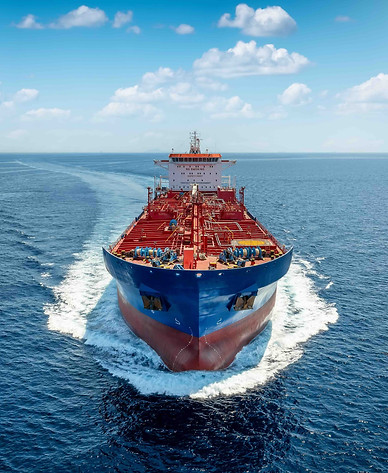
Domestic shipping and international trade both rely on high-energy liquid fuels. Low carbon fuels such as renewable diesel, biodiesel, BioLNG and e-methanol provide practical alternatives for vessels ranging from coastal ferries to bulk carriers. Global operators are already shifting towards cleaner fuel options, and Australia has the opportunity to produce and export marine fuels that meet growing demand. Adopting low carbon fuels in shipping will be vital to cutting emissions in one of the hardest-to-abate global sectors.
AGRICULTURE
Farmers rely on tractors, harvesters, livestock transport, remote diesel generators and other machinery that require liquid fuels. Low carbon fuels can be used as drop-in options that reduce emissions from farming operations while maintaining reliability. By using crop residues and other agricultural by-products as feedstocks, low carbon fuels can also create new value streams for farmers. Adoption in agriculture can deliver emissions cuts while supporting Australia’s regional economies.

INDUSTRIAL GAS
Biomethane, also known as renewable natural gas (RNG) is a low-emission energy source produced by capturing the methane from organic waste that would otherwise decompose and release into the atmosphere. Because it is chemically similar to conventional natural gas, it provides a direct, drop-in substitute that does not require significant changes to appliances or end-user behaviour. This compatibility is particularly important for Australia’s hard-to-abate industrial sectors, including brickmaking, steel, aluminium, cement, glass, food processing and chemicals, which rely on gas for high-temperature process heat and where electrification is currently not technically or economically feasible.
AVIATION
Aviation is one of the hardest sectors to decarbonise because of its need for high-energy fuels on long flights. Sustainable Aviation Fuel (SAF) is a drop-in replacement for jet fuel that can be used in aircrafts. Airlines such as Qantas and Virgin Australia have announced SAF commitments, and global demand is growing rapidly. Building domestic SAF capacity is essential to cut air travel emissions and strengthen Australia’s role in international aviation.

MINING
Mining operations often take place in remote areas where electrification is challenging. Renewable diesel, biodiesel, BioCNG and BioLNG can fuel haul trucks, on-site generators and heavy machinery, reducing reliance on fossil fuels. Rio Tinto and others have trialed low carbon fuels to explore how they can support decarbonisation goals while maintaining productivity. With mining one of Australia’s largest fuel users, adopting low carbon fuels offers both emissions reductions and improved energy security in regional areas.
RAIL FREIGHT
Australia’s rail network is critical for transporting bulk commodities and goods, especially over long distances. While some routes can be electrified, many regional and interstate lines will continue to rely on liquid fuels. Renewable diesel is a drop-in option for locomotives that can cut emissions without major infrastructure changes. Using low carbon fuels in rail helps keep freight efficient and reliable while contributing to Australia’s emissions reduction targets.
CONSTRUCTION
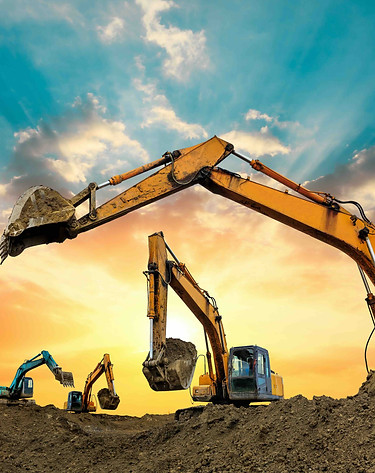
Heavy construction equipment like excavators, bulldozers and wheel loaders mostly run on diesel today. Low carbon fuels can be used as a direct substitute, lowering emissions without modifying engines or equipment. For infrastructure projects, particularly in remote or linear worksites, low carbon fuels can provide a cleaner energy solution that supports industry decarbonisation. Switching fuels in construction helps align major projects with sustainability goals.

DEFENCE
The Australian Defence Force depends heavily on liquid fuels for operations, from ground vehicles to aircraft and naval vessels. Low carbon fuels provide a pathway to reduce emissions while strengthening national fuel security. Because many low carbon fuels are compatible with existing equipment, they can be introduced without major changes to defence infrastructure. Adopting these fuels would align operational readiness with Australia’s broader energy and climate objectives.
